01 — About asl
Built to close the visibility gap.
ASL exists because cargo on Europe–Asia trade lanes went dark for days at a time — and nobody accepted that as normal.
02 — Origin
The problem was silence.
In 2019, a container leaving Rotterdam for Singapore would be confirmed at gate-out, then vanish mid-corridor. Consignees called brokers, brokers called agents, agents called the terminal. The answer was usually a guess. Dwell time was discovered after the fact; customs queries surfaced when they were already costing money.
ASL — air, sea, land — was founded on a narrow, stubborn idea: a shipment that reports its own position, condition, and paperwork status does not need to be chased. It needs to be watched, and only touched when something deviates from plan. We call that automation surveillance, and it is the whole company.
Seven years later that idea runs a multi-lane network across ocean, air, and road — but the measure of success has not changed: how long can your cargo go without you wondering where it is.
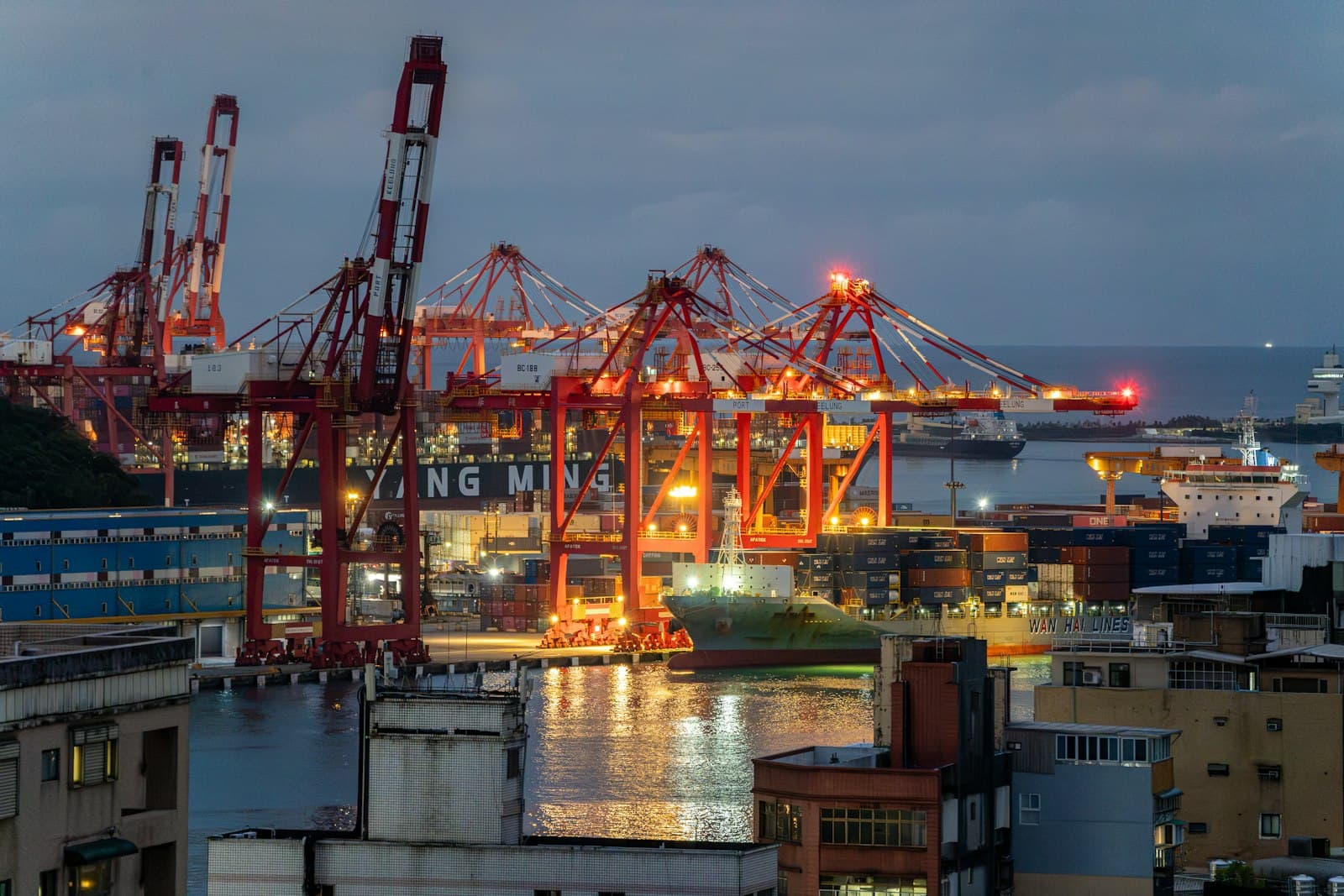
ECT Delta quay, Rotterdam · blue hour
03 — How we operate
Three rules, applied to every consignment.
Instrument first
Before cargo moves, it gets a telemetry profile: GPS unit, door sensor where the cargo warrants it, and a geofence plan for every leg. No consignment enters the network unmonitored.
Automate the routine
Booking confirmations, milestone updates, customs pre-lodgement, and arrival notices run without a human touch. Operators spend their hours on cargo, not keyboards.
Escalate by exception
The watch floor sees every shipment, but only intervenes on deviation — a geofence breach, a stalled gate-out, a customs query. Silence from us means your cargo is on plan.
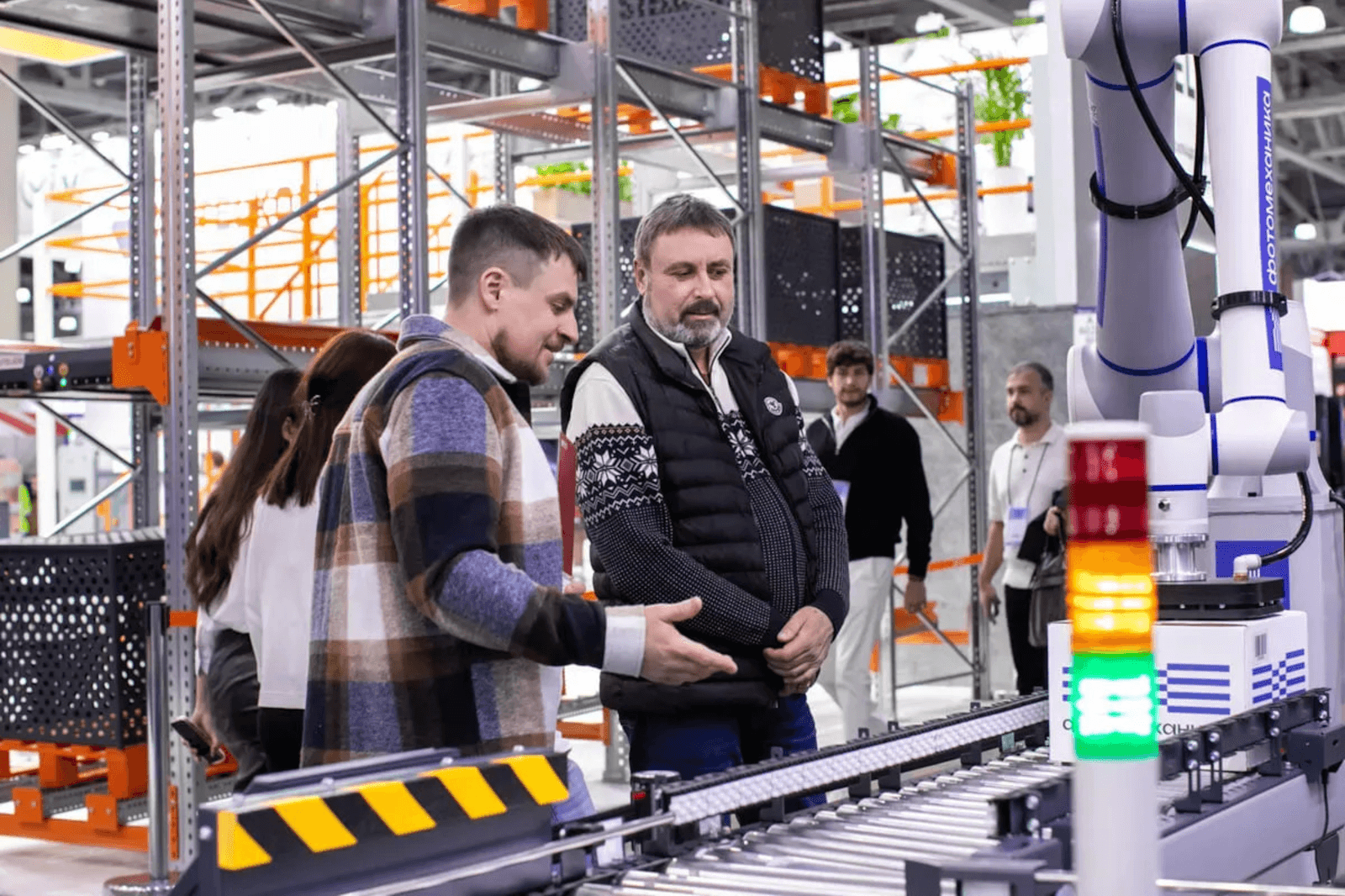
Waalhaven facility, Rotterdam · cross-dock line 2
04 — Operating log
2019 to now, in milestones.
2019
Founded in Rotterdam
ASL opens with one lane — Rotterdam to Singapore — and a promise: every container reports its position. First year, 40 containers under manual watch from a two-desk office near the ECT Delta terminal.
2020
First telemetry stack
GPS units and door sensors become standard on every consignment. The first version of the tracking console replaces spreadsheet-and-phone-call status checks.
2021
Watch floor goes 24/7
Bonded warehouse space secured in Rotterdam's Waalhaven district. The watch floor moves to three shifts; night-arrival vessels stop waiting for morning to be worked.
2022
Doctrine formalised
The Automation-Surveillance doctrine is written down and applied to every process: instrument first, automate the routine, escalate by exception. Customs pre-lodgement cuts median dwell at ECT Delta.
2023
Singapore desk opens
A permanent desk at the Singapore end of our busiest lane, minutes from the PSA terminals. Asian consignees get a contact in their timezone; transshipment handoffs get local eyes.
2024
Exception engine v2
Geofence and dwell-time alerting rebuilt: route corridors, port polygons, and per-leg ETA models. Road fleet partners brought onto the same telemetry standard as owned assets.
2026
Scale
Multi-lane network across ocean, air, and road. Air freight desk running. Hamburg and Houston desks open; second watch floor commissioned in Rotterdam. The visibility gap we set out to close keeps closing.
05 — Next
Put your next consignment under watch.